District Administration: School Safety: 10 Questions You Should Ask First
School security concerns are fueling middle and high school students’ anxieties about their safety. Here are 10 questions superintendents should ask their students and staff…

8 Results Found
School security concerns are fueling middle and high school students’ anxieties about their safety. Here are 10 questions superintendents should ask their students and staff…
From fights outside of class to seeing classmates with weapons, Black K-12 public school students are far more likely to worry about their safety in…
Dive Brief: Nearly 80% of elementary students and 75% of middle and high school students do not feel safe on school buses, while 67% of secondary…
A new study released by YouthTruth indicates that nearly 80% of elementary students and 75% of middle and high school students do not feel safe…
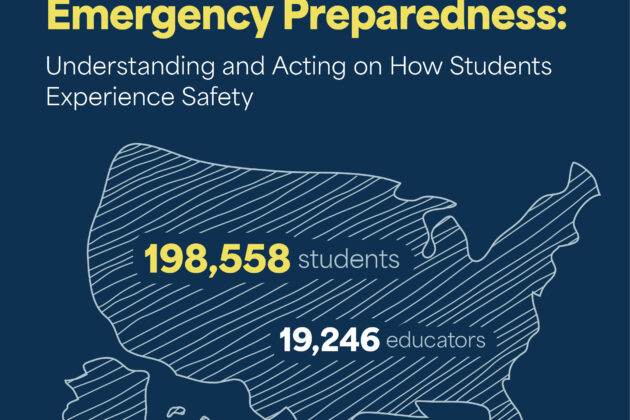
A sense of safety and security is foundational to students’ learning, belonging, and healthy development. Yet creating and maintaining schools where students feel truly safe is a complex and ever-shifting challenge, spanning protection from violence and bullying to emotional wellbeing, and disaster preparedness. At a time when investments in school safety are growing and security products are expanding, this report offers a reminder that safety cannot simply be purchased—it requires a deep understanding of, and investment in, the daily work of tending to a healthy school culture.
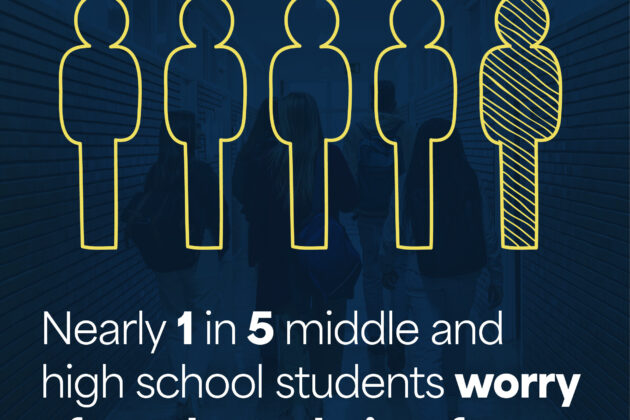
San Francisco, February 24, 2026 – Nearly one in five middle and high school students, and one in four elementary school students, say they often…
Bullying rates declined during the pandemic’s remote learning period, with reports of incidents increasing as schools reopened. Bullying is also linked to school violence and…
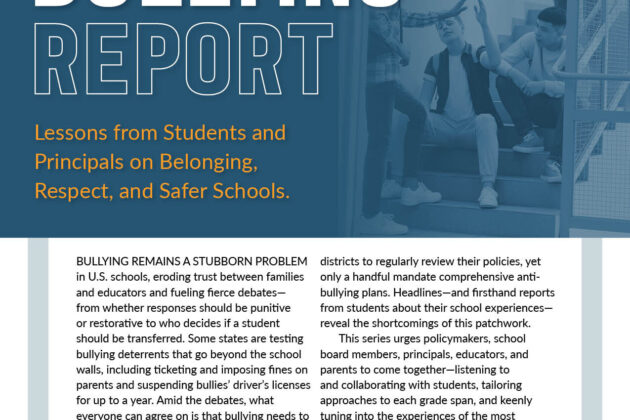
Bullying is a persistent problem in U.S. schools, fueling distrust and debates over punishment, transfers, and prevention. Some states are trying extreme measures—ticketing parents or suspending bullies’ licenses—while Congress considers the STOP Bullying Act to fund state prevention efforts. Most districts review policies, but few have comprehensive plans, leaving gaps that students feel firsthand. Real change requires educators, policymakers, and parents to listen to students, focus on the most vulnerable, and build school cultures where safety and belonging aren’t optional.