K-12 Dive: Students feel Safer in School When Their Concerns Are Heard, YouthTruth Finds
Dive Brief: Nearly 80% of elementary students and 75% of middle and high school students do not feel safe on school buses, while 67% of secondary…

11 Results Found
Dive Brief: Nearly 80% of elementary students and 75% of middle and high school students do not feel safe on school buses, while 67% of secondary…
What happens when education reform takes place without the input or engagement of the young people who will experience its effects? Conversely, what happens when…
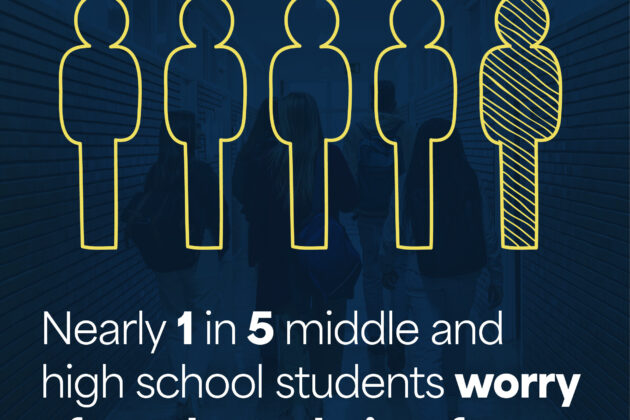
Bullying rates declined during the pandemic’s remote learning period, with reports of incidents increasing as schools reopened. Bullying is also linked to school violence and…
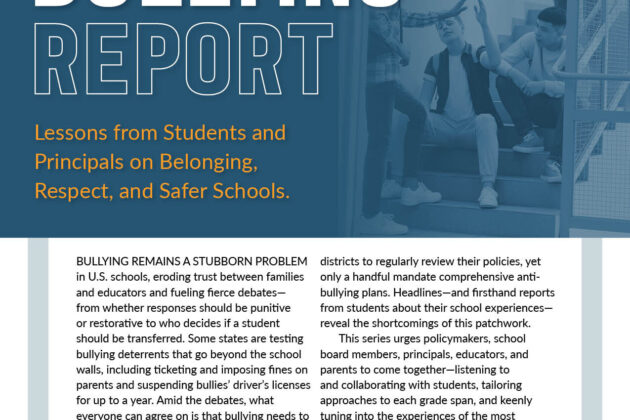
Bullying is a persistent problem in U.S. schools, fueling distrust and debates over punishment, transfers, and prevention. Some states are trying extreme measures—ticketing parents or suspending bullies’ licenses—while Congress considers the STOP Bullying Act to fund state prevention efforts. Most districts review policies, but few have comprehensive plans, leaving gaps that students feel firsthand. Real change requires educators, policymakers, and parents to listen to students, focus on the most vulnerable, and build school cultures where safety and belonging aren’t optional.
Mathematics is an integral part of students’ daily lives, from marking the first 100 days of elementary school to the pivotal moment of crossing the threshold into Algebra 1. Math not only serves as the key that unlocks the doors to the sciences and technology but also empowers individuals personally. At the same time, math literacy stands as an undisputed public good, providing society with the indispensable tools needed to propel innovation and grapple with intricate societal challenges.
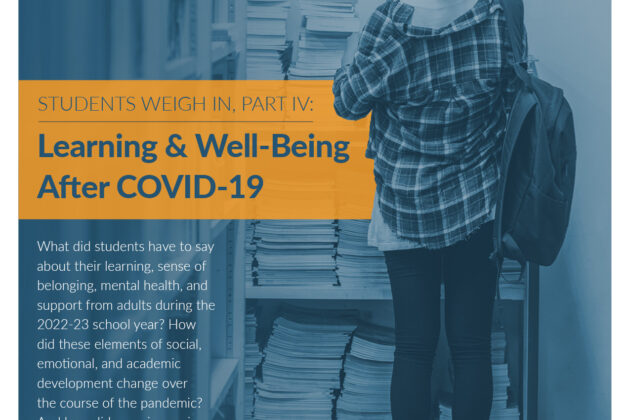
What did students have to say about their learning, sense of belonging, mental health, and support from adults during the 2022-23 school year? How did these elements of social, emotional, and academic development change over the course of the pandemic? And how did experiences in 2022-23 differ across student demographic groups?
In 2023, YouthTruth partnered with Re-Imagining Migration and Harvard’s Immigration Initiative to produce a climate survey.
The COVID-19 pandemic has upended significant aspects of education in the United States. This report aims to help adults lead with compassion and curiosity about how the pandemic has affected students within K–12 education and answer the following questions: What do students have to say about learning and well-being in spring 2021, and what recommendations do students have about what to prioritize in the upcoming academic year?
In the spring of 2020, the COVID-19 pandemic required nearly all of the more than 55 million K-12 students in the U.S. to stop doing school in the way they had been taught, and engage in learning remotely instead. In response to a stark lack of firsthand data about how the pandemic and school closures were affecting students’ lived experiences this report — the second in a three-part series — explores what students have to say about learning and well-being during COVID-19.